
Exploring the cultural significance of gambling in modern society
The Historical Context of Gambling
Gambling has roots that extend deep into human history, with evidence of gaming activities dating back to ancient civilizations. Archaeological findings suggest that the Chinese were engaging in gambling as early as 2300 B.C., while the Romans and Greeks used games of chance for entertainment and to demonstrate social status. This historical context illustrates that gambling has always been intertwined with various cultural narratives, serving not just as a pastime, but also as a reflection of societal values and hierarchies. For those interested in maximizing their rewards, using a Duel referral code can provide exciting benefits right from the start.

Throughout the ages, gambling has evolved alongside human civilization. In medieval Europe, it was often associated with nobility, who used it as a way to display wealth and exercise power. This association continued into the modern era, where casinos emerged as glamorous venues that attracted people from all walks of life. The transformation from a socially exclusive activity to a mainstream leisure pursuit has significantly shaped how we perceive gambling today.
The cultural significance of gambling continues to manifest in various forms across the globe. From lottery systems in the United States to the intricate betting cultures found in Asia and Europe, gambling reflects diverse cultural attitudes and practices. This adaptability highlights the ways gambling can mirror social changes, economic factors, and shifts in morality, suggesting a complex interplay between tradition and modernity.
Gambling as a Social Activity
In contemporary society, gambling often serves as a communal activity that fosters social interaction. Whether it’s a night out at the casino with friends or a casual game of poker at home, these experiences create bonds and shared memories. The social aspect of gambling is particularly appealing; it allows individuals to connect over a common interest while partaking in an activity that adds excitement to their lives.
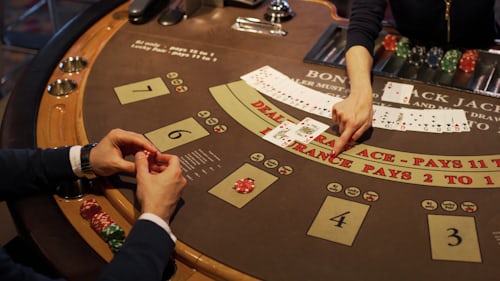
Moreover, gambling venues often act as social hubs where people gather to celebrate milestones, engage in friendly competition, and unwind. This phenomenon is particularly pronounced in regions where large casinos thrive, as they not only offer gaming but also dining, entertainment, and events. Such multifaceted experiences contribute to a vibrant social atmosphere, showcasing how gambling is more than just about winning or losing; it’s about creating and nurturing relationships.
Additionally, the impact of technology has transformed social gambling experiences. Online platforms now allow individuals to engage in games and bets from the comfort of their homes, expanding the definition of social gambling. Virtual interactions, such as live dealer games, simulate the thrill of being in a casino while allowing players to connect with others worldwide. This evolution further underscores gambling’s role as a social activity that adapts to contemporary lifestyle changes.
The Psychological Aspects of Gambling
The allure of gambling is deeply intertwined with psychological factors, making it a compelling area of study. Many people engage in gambling due to the thrill of risk-taking and the potential for reward, a combination that triggers the brain’s reward system. The psychological appeal lies not only in the possibility of winning money but also in the excitement of uncertainty and the adrenaline rush that accompanies high-stakes situations.
However, this psychological allure can lead to negative consequences, such as gambling addiction. Understanding the fine line between recreational gambling and problematic behavior is essential for responsible gaming. Psychological research has shown that environmental cues, such as flashing lights and sounds in casinos, can enhance the gambling experience but also contribute to overindulgence. Awareness of these factors is crucial for both players and regulators aiming to promote safe gambling practices.
Furthermore, the psychological aspects of gambling extend to how it serves as a coping mechanism for some individuals. In times of stress or hardship, people may turn to gambling as a form of escapism. While it can provide temporary relief, relying on gambling to manage emotions can lead to harmful cycles. Thus, promoting awareness and education around the psychological impacts of gambling is essential for fostering a healthy approach to this widespread activity.
The Economic Impact of Gambling
The gambling industry represents a significant economic force in modern society, contributing billions to national economies through job creation, tax revenue, and tourism. As governments increasingly recognize the economic benefits, many have legalized gambling to boost local economies. This transition has often led to the establishment of casinos and betting establishments, which offer employment opportunities and stimulate surrounding businesses.
Moreover, the gambling sector has a ripple effect on other industries. For instance, hotels and restaurants often experience increased patronage due to nearby casinos. This interconnectedness showcases how gambling is not just a standalone activity but a catalyst for broader economic growth. Many regions have successfully leveraged their gambling industries to enhance tourism, attracting visitors looking for entertainment and leisure activities.
However, the economic advantages of gambling must be weighed against potential social costs, such as increased crime rates and gambling addiction. Policymakers face the challenge of balancing economic gain with social responsibility, ensuring that the benefits of gambling do not come at the expense of community well-being. As the industry continues to grow, ongoing dialogues about its economic and social implications will be crucial for fostering a responsible gambling environment.
New Trends in Gambling Culture
The landscape of gambling is changing rapidly due to advancements in technology and shifts in consumer behavior. Online gambling platforms have surged in popularity, especially with younger generations who prefer the convenience and accessibility of digital gaming. This shift has also led to the rise of mobile gambling, allowing players to engage in their favorite games anytime, anywhere. These technological innovations have redefined the cultural significance of gambling in ways that traditional casinos cannot match.
Moreover, the rise of esports betting has introduced a new dimension to gambling culture. As competitive gaming gains mainstream recognition, betting on esports events has become increasingly popular, appealing to a younger demographic. This trend not only reflects changes in entertainment consumption but also raises questions about the intersection of gaming and gambling. As the lines blur, the cultural significance of gambling continues to expand and evolve.
Additionally, the growing focus on responsible gambling practices is reshaping the industry. Many platforms are implementing measures to promote safer gambling, such as self-exclusion programs and educational resources. This cultural shift emphasizes the importance of awareness and responsibility, encouraging players to engage in gambling in a more informed and controlled manner. As society becomes more conscious of gambling’s impacts, the cultural narrative will increasingly reflect values of sustainability and care.