
Cultural views on gambling How perspectives shape the experience
Understanding Cultural Attitudes Towards Gambling
The cultural backdrop significantly shapes how gambling is perceived and practiced in different societies. In some cultures, gambling is viewed as a mere form of entertainment, a way to socialize and unwind. For instance, in parts of Europe, casinos are often integrated into tourism, attracting visitors who seek both excitement and leisure. Here, gambling is synonymous with fun and is seen as an acceptable pastime rather than a vice. Players can also explore platforms like Robocat Casino Australia, which embody this culture. The social context encourages participation, reinforcing the idea that gambling can be a collective experience shared among friends and family.
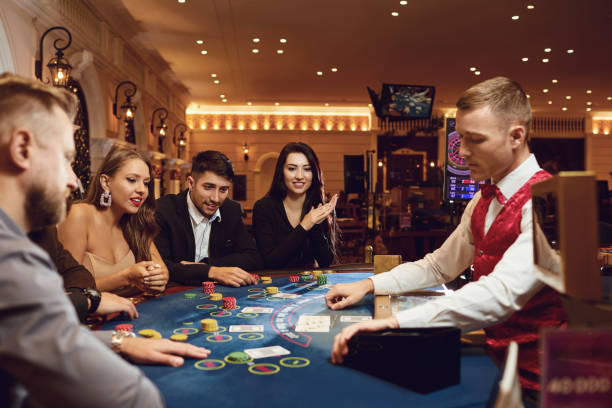
Conversely, in other cultures, gambling is heavily stigmatized and associated with moral decline or addiction. In certain Asian societies, for example, traditional views hold gambling as a destructive habit that can lead to financial ruin and societal shame. This cultural stance can lead to significant repercussions for individuals who engage in gambling, including ostracization or familial disapproval. These contrasting perceptions create varied environments where gambling exists, influencing not only individual behavior but also the development of gambling regulations in different regions.
Moreover, these cultural attitudes can shift over time, particularly as globalization spreads. With the rise of online gambling platforms, even traditionally conservative cultures may begin to adopt a more lenient view towards gambling. This evolution is often seen among younger generations who view gambling as a digital form of entertainment, thus challenging longstanding cultural norms. As these attitudes evolve, they create a complex landscape that shapes the gambling experience in multifaceted ways.
The Role of Luck and Skill in Gambling Perspectives
When exploring gambling, two dominant concepts emerge: luck and skill. These elements influence players’ approaches to games and their overall perceptions of gambling. Many traditional games, like slots or roulette, are often seen as relying solely on luck, which can create a sense of thrill and excitement. For players who embrace this perspective, the randomness of chance can enhance the fun, making the act of playing more about the experience than the outcome.
On the other hand, skill-based games, such as poker or blackjack, introduce a layer of strategy that appeals to those who view gambling through the lens of competence and control. Players often invest time in mastering these games, believing that their abilities can significantly influence their success. This perspective fosters a sense of accomplishment, as winning feels more rewarding when it is tied to one’s own efforts and decisions. The psychological impact of this belief can enhance engagement and lead to a more fulfilling gambling experience.
Ultimately, the interplay between luck and skill shapes not only individual experiences but also broader societal views on gambling. Those who champion skill-based games may advocate for their legitimacy, pushing against the stigma often associated with gambling. Meanwhile, others may emphasize the thrill of chance, reinforcing the idea that gambling is meant to be a fun and carefree activity. These divergent viewpoints contribute to the richness of gambling culture, highlighting how perspectives can color the experience and acceptance of gaming activities.
Regional Differences in Gambling Regulations and Practices
Cultural perceptions of gambling also manifest in regional differences in regulations and practices. In some countries, such as Australia, gambling is widely accepted and regulated, leading to a robust industry that includes online casinos and sports betting. The Australian approach reflects a belief in responsible gambling practices, with frameworks in place to mitigate risks while allowing individuals to enjoy their gaming experiences. This regulatory environment encourages a vibrant gambling culture where players feel secure and supported.
Conversely, in nations with stricter regulations or outright bans on gambling, cultural views often stem from historical or religious beliefs. For example, in places where Islam predominates, gambling is generally prohibited due to religious doctrines. This prohibition not only shapes individual behavior but also influences the national economy and tourism. Individuals in these societies may seek underground gambling opportunities, reflecting a desire to participate in gambling while navigating societal restrictions.
These regional differences underline the importance of understanding cultural contexts when discussing gambling. They showcase how local beliefs and values shape not just individual experiences but entire gambling ecosystems. As globalization influences these norms, many regions are witnessing shifts in their attitudes towards gambling, often leading to discussions about reforming regulations to reflect changing societal views.
The Psychological Effects of Gambling Across Cultures
The psychological effects of gambling can vary greatly depending on cultural perspectives. In cultures where gambling is viewed positively, it can provide a sense of community and belonging. Many social interactions revolve around gaming, fostering friendships and connections among participants. This communal aspect can mitigate feelings of isolation, making gambling a bonding experience rather than a solitary pursuit. The social environment amplifies the enjoyment, creating a positive feedback loop where the act of gambling contributes to overall well-being.
However, in cultures that stigmatize gambling, the psychological effects can be detrimental. Individuals may experience feelings of shame, guilt, or anxiety, leading to a cycle of negative emotions associated with their gambling activities. In such environments, those who gamble may feel compelled to hide their activities from family and friends, exacerbating feelings of isolation. This psychological toll can lead to risky behaviors and potential addiction, creating a stark contrast to more accepting cultures where responsible gambling is encouraged.
Understanding these psychological dimensions is crucial for addressing gambling-related issues within different cultures. Educational programs and mental health resources can be tailored to fit cultural contexts, promoting healthier attitudes towards gambling. By acknowledging these diverse psychological impacts, societies can work towards creating environments that support safe and enjoyable gambling practices, ultimately fostering a more positive experience for all participants.

Robocat Casino: A Cultural Perspective on Online Gambling
As Australia’s premier online gaming platform, Robocat Casino embodies many of the cultural perspectives surrounding gambling today. With a diverse selection of over 5,000 games, including pokies and traditional casino favorites, it caters to a wide range of preferences and cultural attitudes. The casino’s user-friendly interface and robust customer support reflect a commitment to creating an engaging environment for players. This ensures that individuals feel valued and secure while exploring their gaming options.
Robocat Casino also understands the importance of responsible gaming, integrating various tools to help players manage their gambling habits. By providing resources like deposit limits and self-exclusion options, the casino aligns with the cultural perspective that promotes enjoyment without compromising well-being. This approach resonates with Australian players, who appreciate a balanced view on gambling, emphasizing both fun and responsibility.
In essence, Robocat Casino not only serves as a platform for gaming but also reflects the evolving cultural attitudes toward gambling in Australia. By prioritizing player experience and responsible practices, it captures the essence of modern gambling culture, blending entertainment with a commitment to safety and community. This dual focus enhances the overall gaming experience, ensuring that players can indulge in their favorite activities while feeling supported and informed.